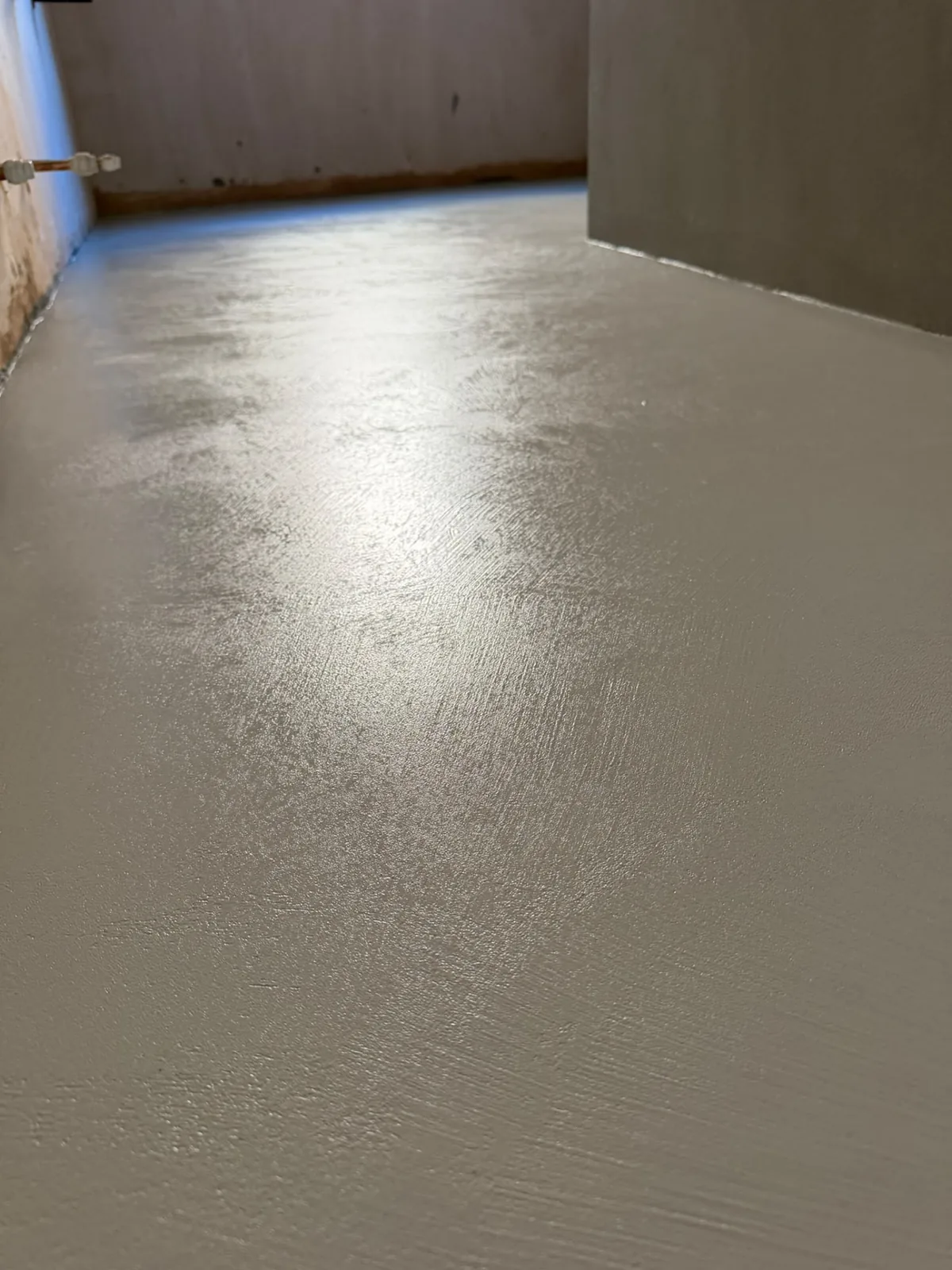
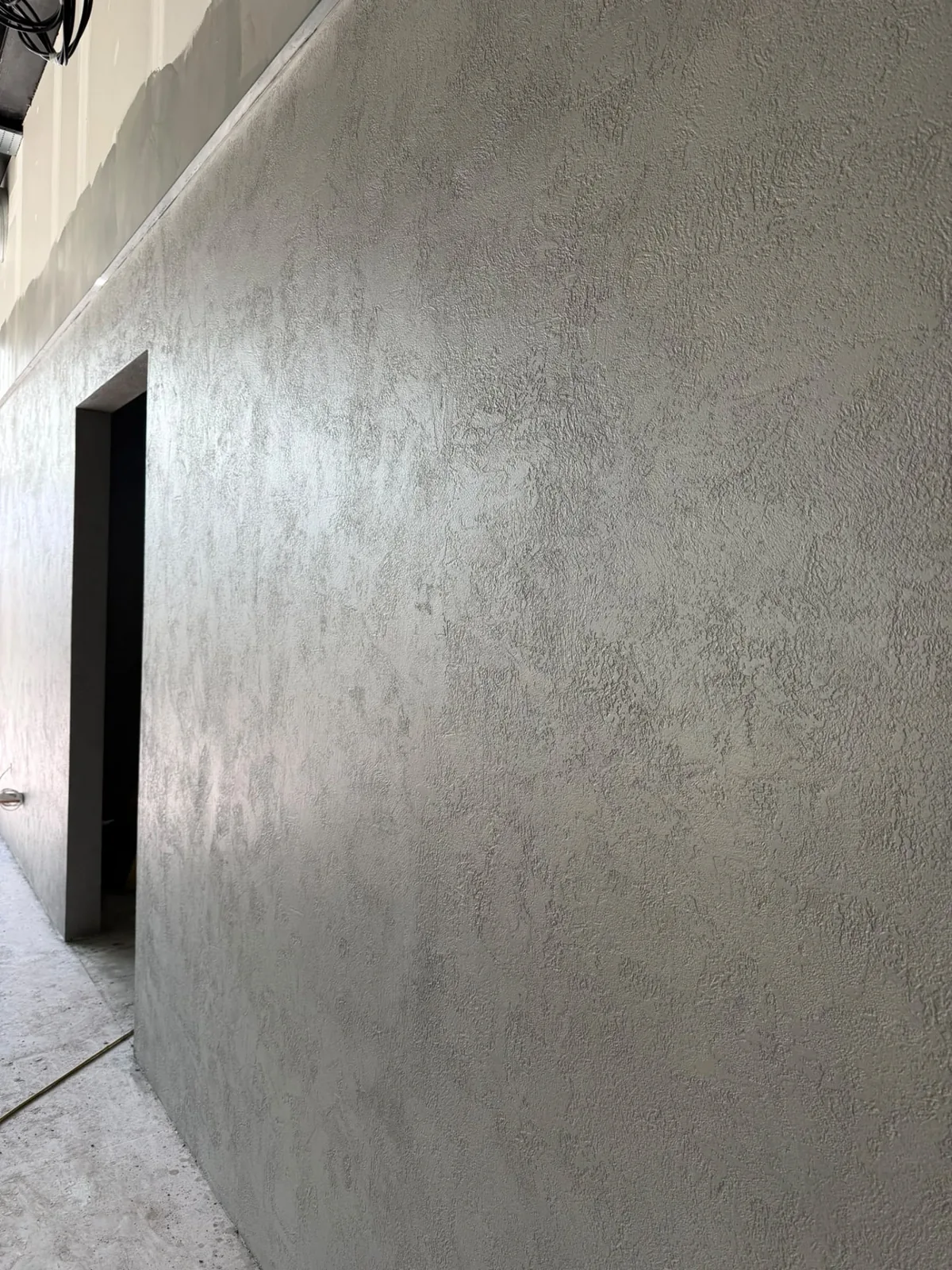
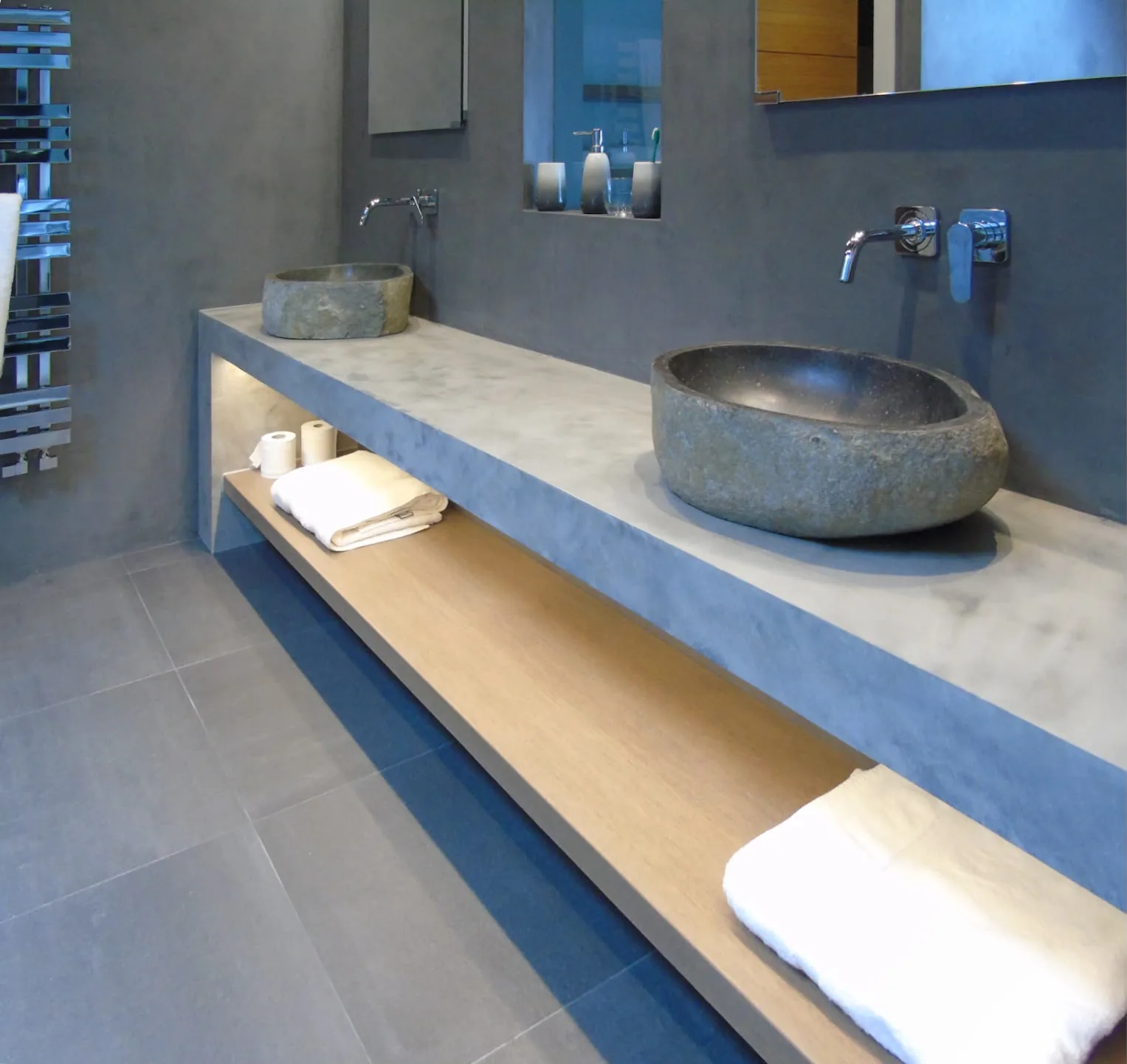
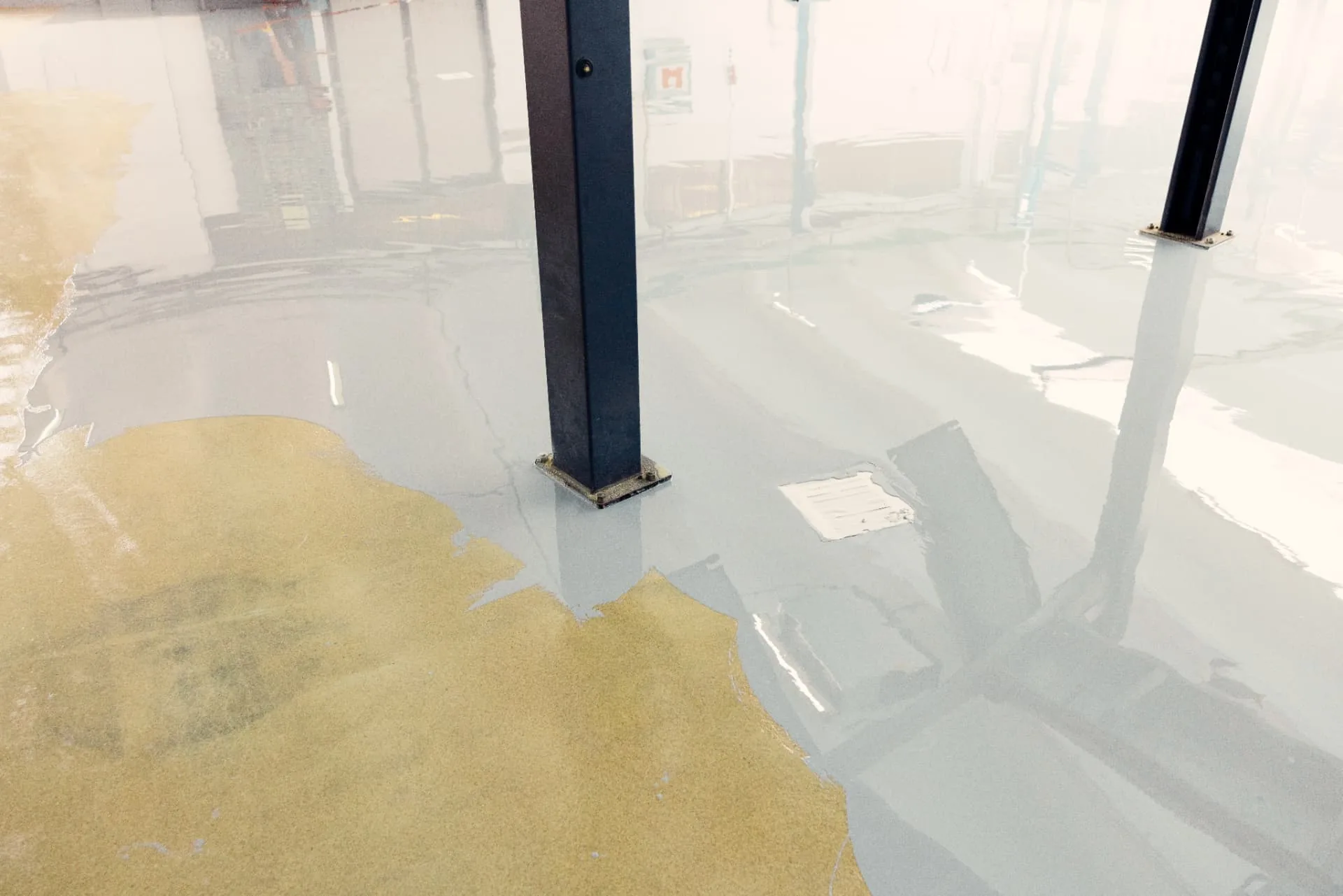
We're based in Menston, near Ilkley, which puts us a short, straightforward drive from Leeds along the Wharfedale corridor, close enough that a site visit doesn't mean half a day lost to travel, and close enough that we can usually get a survey booked in quickly. We work right across the city: Roundhay and Chapel Allerton in the north, Headingley and Hyde Park near the universities, Horsforth and Cookridge to the north-west, and the city centre itself, where converted mills and warehouse apartments have become one of the most common settings for a microcement floor.
Leeds is not one type of building, and that's really the point. A Victorian terrace in Chapel Allerton, a 1930s semi in Moortown, a new-build apartment on the Kirkstall Road corridor and a Grade II-listed mill conversion near Granary Wharf each bring a different subfloor, a different set of access constraints and a different reason for wanting a seamless finish. We've applied microcement and resin systems in all of those settings, which means the advice you get on your specific property is grounded in what we've actually seen go right and wrong nearby, not a generic script.
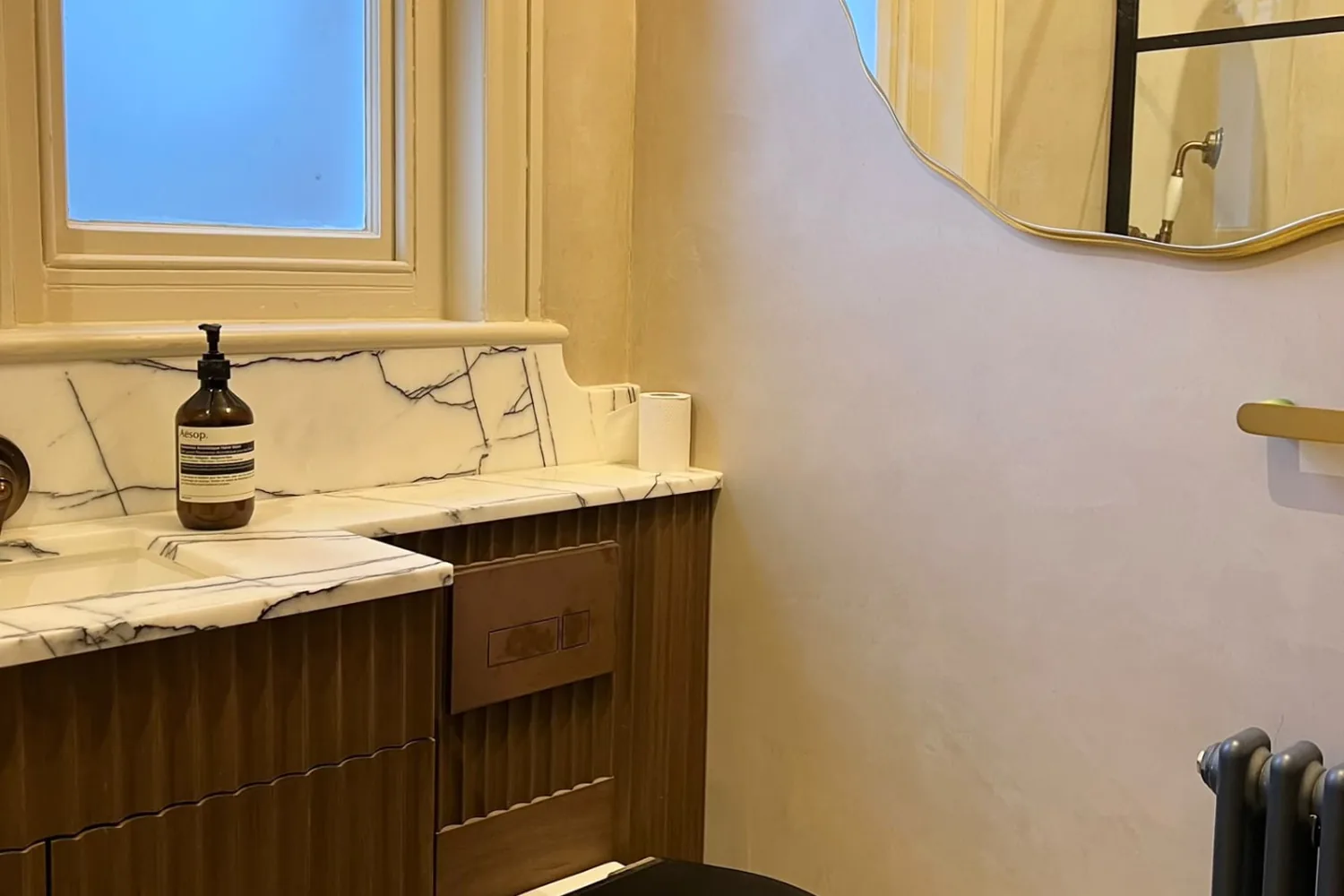
The demand we see most often in Leeds falls into a few clear categories: open-plan kitchen extensions on back-to-back and through-terraces where owners want the extension floor to run seamlessly from the original house into the new glazed box; loft and warehouse conversions in the city centre where exposed concrete, steel and brick call for a floor with the same industrial honesty rather than a domestic tile; and bathroom and wet-room refurbishments in Headingley and Horsforth student and family lets, where a durable, low-maintenance finish matters as much as the look.